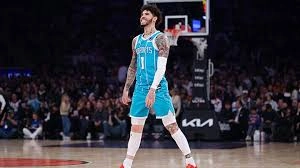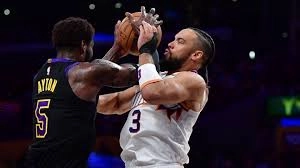
YOUTH SPORTS! Rising Stars & Future Champions - NEXT Generation!
The development of young athletes represents one of the most important and complex aspects of the sports ecosystem, encompassing issues of education, health, opportunity, and the pursuit of excellence. From community programs that introduce children to sports through elite academies that train future professionals, the landscape of youth sports involves millions of participants, families, coaches, and organizations. Understanding youth sports requires attention to both the benefits that athletic participation provides and the challenges that arise when competition and development intersect.
The benefits of youth sports participation extend far beyond athletic skill development. Research consistently demonstrates that children who participate in sports experience improved physical health, better academic performance, enhanced social skills, and greater self-confidence. These benefits accrue regardless of whether young athletes eventually compete at elite levels, making youth sports valuable for their developmental impact alone.
The structure of youth sports varies significantly across countries and sports, with different models for talent identification, training, and competition. Some systems emphasize broad participation and gradual development, while others focus on early specialization and intensive training for promising young athletes. The debate over which approaches best serve both development and elite performance continues among sports scientists and policy makers.
The role of parents in youth sports has become increasingly prominent and sometimes problematic. While parental support is essential for young athletes, the pressure that some parents place on children to achieve athletic success can create negative experiences and even psychological harm. Finding the appropriate balance between support and pressure represents an ongoing challenge for families navigating youth sports.
The economics of youth sports have created significant disparities in access and opportunity. The cost of club teams, private coaching, travel competitions, and specialized equipment has risen dramatically, creating barriers for families without substantial financial resources. This economic divide affects who gets to participate in youth sports and who has access to the development pathways that lead to elite competition.
The health considerations in youth sports have received increasing attention in recent years. Concerns about overuse injuries, burnout, and the long-term effects of intensive training at young ages have prompted changes in how youth sports are organized and coached. The balance between developing athletic excellence and protecting young athletes' health and well-being requires careful attention.
The educational aspects of youth sports involve complex relationships between athletic and academic development. Student-athletes must balance the demands of training and competition with educational requirements, while some systems prioritize athletic development over academic achievement. The challenge of preparing young athletes for success both on and off the field represents an ongoing concern.
The pathway from youth sports to professional competition is narrow and highly competitive. Only a tiny fraction of young athletes will eventually compete at elite levels, making it essential that youth sports provide value beyond the pursuit of professional careers. The reality that most young athletes will not become professionals should inform how youth sports are structured and experienced.
The role of coaches in youth sports extends far beyond teaching athletic skills. Effective youth coaches serve as mentors, role models, and developers of character, while poor coaching can create negative experiences that drive children away from sports. The training and evaluation of youth coaches has become an important focus for sports organizations.
The future of youth sports will likely involve continued debates about specialization, competition levels, and the appropriate balance between development and winning. The challenge for parents, coaches, and organizations will be creating environments that allow young athletes to pursue excellence while maintaining the joy and developmental benefits that make sports participation valuable. The millions of children who participate in youth sports deserve experiences that enrich their lives regardless of their ultimate athletic achievements.