CRITICAL ERROR! Cubs Reliever's WILD Throw - Why Was Shaw at FIRST BASE?
The Chicago Cubs' 4-3 extra-inning loss to the Pittsburgh Pirates raised questions beyond the immediate outcome, particularly regarding the defensive alignment that saw Matt Shaw positioned at first base during the crucial 11th inning. The combination of Caleb Thielbar's errant throw and the defensive positioning decisions that preceded it became focal points for post-game analysis and discussion about the Cubs' approach to roster construction and in-game strategy.
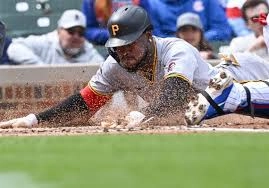
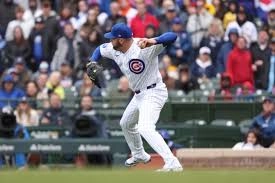
The play itself was dramatic and decisive. With the game tied in the 11th inning, Thielbar fielded a comebacker to the mound and attempted to throw to first base for what should have been a routine out. Instead, his throw sailed wide of the bag, beyond the reach of Shaw, allowing the Pirates' go-ahead run to score. The error proved costly in a game where offensive opportunities had been scarce for both teams.
The question of why Shaw was playing first base in that situation speaks to broader issues of roster construction and defensive flexibility. Shaw, primarily a third baseman, was pressed into duty at first base due to various roster moves and injury situations that had limited the Cubs' options at the position. The decision to use a player out of his natural position in a crucial situation carries inherent risks, as the play demonstrated.
The broader context of the Cubs' defensive alignment reflects modern baseball's emphasis on versatility and roster flexibility. Teams increasingly value players who can competently handle multiple positions, allowing managers to optimize lineups and matchups while maintaining adequate defensive coverage. However, the trade-off between offensive production and defensive reliability becomes magnified in crucial moments.
Thielbar's emotional response to the error, expressing that he felt "sick" about the play, reflected the human element of professional sports. Relief pitchers, who often work in high-pressure situations with minimal margin for error, must navigate the psychological challenges of performing when the stakes are highest. The ability to process mistakes and maintain confidence for future appearances is crucial for bullpen success.
The strategic considerations that led to Shaw's presence at first base likely involved multiple factors. The Cubs' roster construction, the need for offensive production, and the specific matchups against Pirates hitters all influenced the defensive alignment. In retrospect, the decision can be questioned, but at the moment, it represented the organization's best assessment of how to maximize their chances of winning.
The impact of the error extended beyond the immediate game result. The Cubs' record through the early season has been disappointing, and losses in games where victory seemed within reach compound the frustration. The psychological toll of such defeats can affect team morale and individual confidence, making the ability to respond positively crucial for the team's trajectory.
The coaching staff's role in preparing players for positions outside their primary responsibilities becomes relevant in situations like this. The amount of practice time dedicated to Shaw's work at first base, the coaching he received on positioning and footwork, and the assessment of his readiness for game action all factor into the evaluation of the decision.
The broader trend of position flexibility in baseball suggests that similar situations will continue to arise throughout the sport. Teams must balance the benefits of roster flexibility with the risks of compromised defense in crucial moments. The Cubs' experience in this game provides a case study for how such decisions can impact outcomes.
As the Cubs process this difficult loss, the focus will shift to preventing similar situations in the future. Whether through roster moves, increased practice for players at secondary positions, or strategic adjustments to late-game defensive alignments, the organization will seek to minimize the likelihood of crucial errors determining game outcomes. The coming games will reveal whether the lessons from this loss translate into improved performance.