BRUTAL INJURIES! Curtis Blaydes SUFFERS Fractured Orbital & Nose in EPIC UFC Battle!
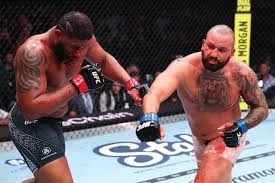
The brutal nature of heavyweight fighting was on full display at UFC 327 in Miami, where veteran contender Curtis Blaydes suffered a fractured orbital bone and broken nose during his epic three-round battle with undefeated prospect Josh Hokit. The injuries, confirmed by Blaydes' management team, serve as a stark reminder of the physical toll exacted by combat sports at the highest level, even in defeat.
Blaydes' willingness to continue fighting despite the severe injuries demonstrated the extraordinary toughness that has characterized his career. The fractured orbital, one of the most painful and debilitating injuries a fighter can sustain, would have ended the night for most competitors. Yet Blaydes not only continued but engaged in a back-and-forth battle that earned both fighters a $100,000 Fight of the Night bonus from the UFC.
The statistical output of the fight underscores the intensity of the action. The combined 351 significant strikes landed by both fighters represent one of the highest totals in UFC heavyweight history, a testament to the pace and volume of the action. For Blaydes to absorb that kind of punishment while dealing with a fractured orbital and broken nose speaks to his exceptional durability and competitive spirit.
The context of the fight adds another layer to Blaydes' performance. A perennial top-10 heavyweight with aspirations of title contention, Blaydes entered the bout as a significant favorite against the relatively unproven Hokit. The unanimous decision loss was a setback for his career trajectory, but the manner in which he competed despite the injuries earned him new respect from fans and fellow fighters alike.

The medical implications of Blaydes' injuries are significant. A fractured orbital bone typically requires surgery and an extended recovery period, potentially keeping the veteran out of competition for several months. The broken nose, while less severe, adds to the cumulative damage that fighters accumulate over their careers. These physical costs are the price of competing at the highest level of mixed martial arts.
The fight itself was a showcase of contrasting styles and approaches. Blaydes, known for his wrestling prowess and ground-and-pound attack, found himself engaged in a striking battle with Hokit, whose conditioning and volume punching proved decisive over the three rounds. The ebb and flow of the action kept fans engaged throughout, with both fighters having moments of success.
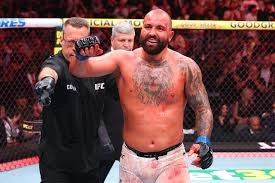
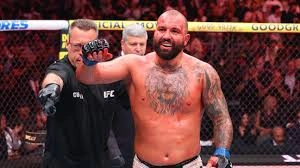
Hokit's performance in the fight was equally impressive from a different perspective. The undefeated prospect not only defeated a ranked opponent but did so while absorbing significant damage himself. Reports indicated that Hokit was examined for possible concussion, jaw, and hand injuries following the bout, though he was discharged without serious concerns. The mutual punishment absorbed by both fighters highlighted the brutal nature of heavyweight competition.

The aftermath of the fight has significant implications for both competitors' careers. For Blaydes, the loss represents another setback in his pursuit of a UFC title shot, while the injuries will require a lengthy recovery period. The physical and emotional toll of such a punishing defeat will test his resolve as he contemplates his next steps in the sport.
For Hokit, the victory announced his arrival as a legitimate contender in the heavyweight division. The UFC has already announced that he will face Derrick Lewis at the UFC 250 Freedom Fights event on June 14 at the White House, a high-profile matchup that could elevate his status even further. The fact that President Donald Trump personally requested Lewis's appearance on the card adds an extra layer of significance to the event.
The Fight of the Night bonus that both fighters received provides some financial compensation for the punishment they absorbed, but the physical costs of such battles extend far beyond any single night. The cumulative damage that fighters accumulate over their careers raises important questions about athlete safety and the long-term health implications of combat sports.