AWARDS ELIGIBILITY DRAMA! Nikola Jokic's LAST-MINUTE Qualification - Who's IN & Who's OUT!
The NBA's 65-game rule for awards eligibility created dramatic tension on the final day of the regular season, with several star players' status for postseason honors hanging in the balance. The rule, implemented to encourage player availability and discourage load management, requires players to appear in at least 65 games while playing at least 20 minutes in each, with allowances for two games where only 15 minutes are required.
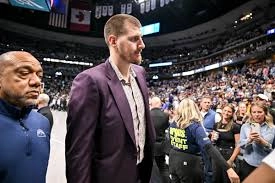
Nikola Jokic's situation attracted particular attention as the Denver Nuggets entered their regular-season finale against the San Antonio Spurs. The three-time MVP needed to appear in his 65th game to qualify for awards consideration, and the Nuggets' decision to rest their other regular starters created uncertainty about whether Jokic would reach the threshold. His 23 points in 18 first-half minutes secured his eligibility, preserving his opportunity to contend for a fourth MVP award.
The list of ineligible players reads like an All-Star roster, demonstrating the impact that injuries and load management have had on the season. LeBron James, Cade Cunningham, Giannis Antetokounmpo, Anthony Edwards, and Stephen Curry are among the stars who will not be eligible for regular-season honors due to failing to meet the 65-game threshold. Their absence from awards ballots will significantly affect the voting outcomes.
Luka Doncic's situation is particularly noteworthy, as the Lakers star is expected to appeal his ineligibility. The grounds for such appeals typically involve circumstances beyond the player's control, such as injuries or personal matters that necessitated absence. The success rate for such appeals is uncertain, but the process itself reflects the complexity of implementing eligibility rules in a sport where player availability is affected by numerous factors.

The implementation of the 65-game rule represents the NBA's response to growing concerns about star players missing games for rest purposes. The league's position is that fans deserve to see the best players compete regularly, and that regular-season awards should reflect sustained excellence over the course of the campaign. The rule has generated both support and criticism from various stakeholders.
The players who have met the eligibility threshold have demonstrated both health and commitment to their teams. In a league where the physical demands of an 82-game season can be overwhelming, appearing in 65 or more games requires durability, discipline, and often some good fortune with injuries. These players have earned the opportunity to be recognized for their sustained excellence.
The impact on awards voting will be significant. With several of the league's biggest stars ineligible, the pool of candidates for MVP, Defensive Player of the Year, and other honors will be smaller and potentially less star-studded than in previous seasons. This creates opportunities for players who might otherwise have been overlooked to receive recognition for their performances.

The NBA Cup championship game, which does not count in the regular-season standings, counts as a game played for players from the New York Knicks and San Antonio Spurs. This quirk in the rules provided those players with an additional opportunity to reach the 65-game threshold, potentially affecting awards eligibility for key contributors on both teams.
The broader implications of the eligibility rule extend beyond individual awards. Team success in the regular season often depends on star player availability, and the rule creates incentives for organizations to manage player health in ways that maximize games played. The balance between player health, competitive success, and awards eligibility represents one of the NBA's ongoing challenges.
As the regular season concludes and awards voting begins, the 65-game rule will be a significant factor in determining which players receive recognition for their performances. The rule's impact on the league's awards landscape represents a major shift in how regular-season excellence is evaluated and honored.